Key Takeaway:
- Charging an electric car at home is convenient and cost-effective: Installing a home charging station allows electric car owners to conveniently charge their vehicles overnight, saving them time and money compared to relying solely on public charging stations.
- For those without off-street parking, alternative charging options are available: Public charging stations, workplace charging, and community charging programs provide options for electric car owners without access to private charging infrastructure.
- Optimizing charging strategies can enhance the performance and lifespan of electric car batteries: Following best practices such as avoiding frequent fast charging, monitoring charging levels, and utilizing smart charging technologies can help maximize battery efficiency and longevity.
Introduction to Electric Cars and the Importance of Charging
Electric cars are revolutionizing the automotive industry, and understanding their importance and the process of charging them is crucial. Here, we delve into the world of electric cars, highlighting their significance and exploring the intricacies of charging. Let’s explore this fascinating topic further.
- Electric Cars: A Breakthrough in Transportation
- Benefits of Electric Cars
- The Significance of Charging Infrastructure
- Efficient and Convenient Charging Solutions
Electric cars offer numerous advantages, such as reduced emissions, lower fuel costs, and a quieter and smoother driving experience. These eco-friendly vehicles are gaining popularity due to their environmental benefits and their contribution to sustainability efforts. Moreover, electric cars boast advanced technological features, providing drivers with a state-of-the-art driving experience.
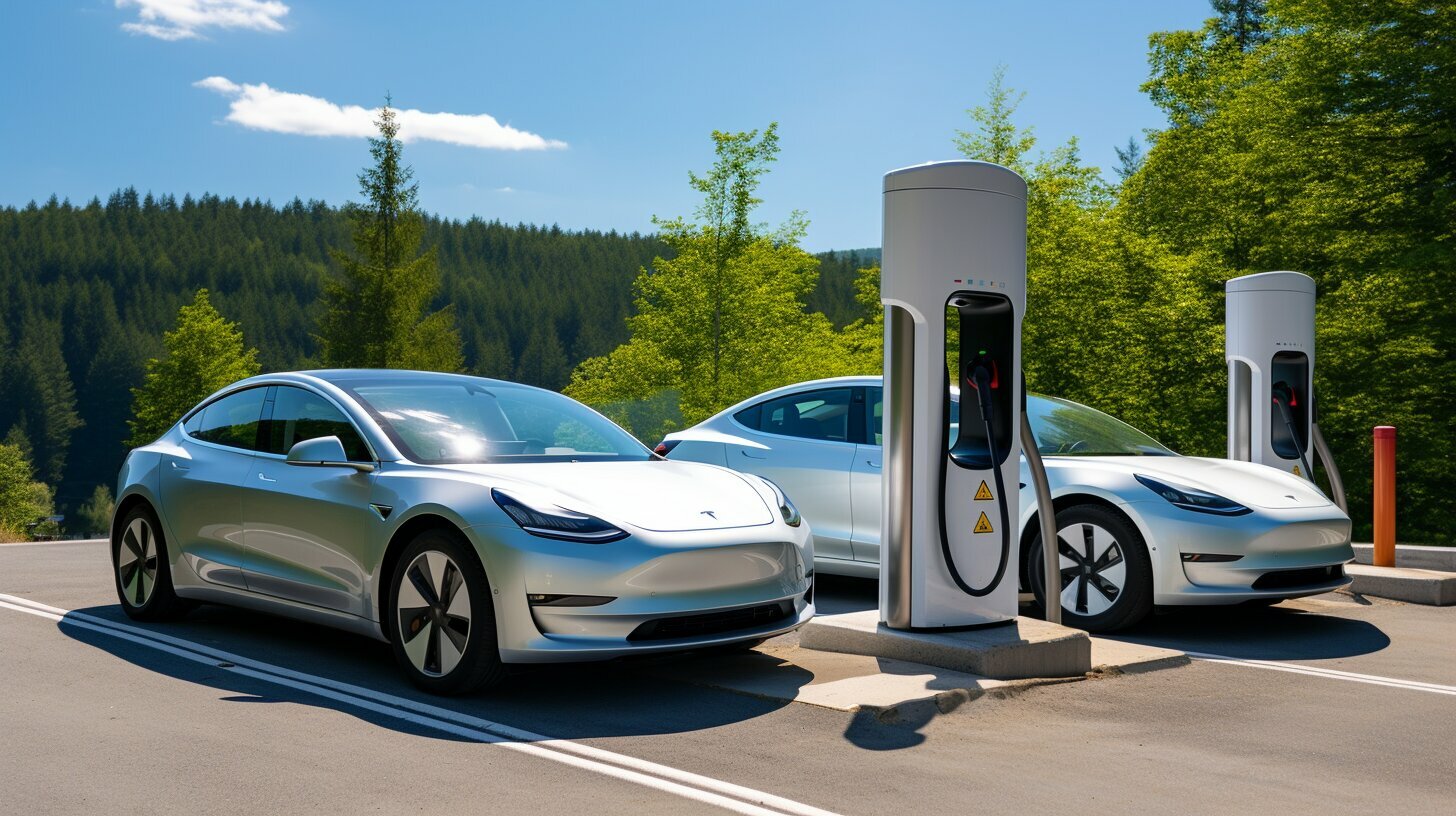
Charging infrastructure plays a crucial role in the widespread adoption of electric cars. The availability of charging stations at residential areas, workplaces, and public spaces ensures that electric car owners have convenient options to recharge their vehicles. Moreover, the development of fast-charging technologies allows for quicker and more efficient charging, making electric cars a viable alternative to conventional vehicles.
To fully understand the charging process, it’s important to consider the various charging solutions available. Level 1 charging, which uses a standard household outlet, is suitable for overnight charging. Level 2 charging utilizes a dedicated charging station and provides a faster charging speed. Additionally, DC fast charging allows for rapid charging, ideal for long-distance travel or when a quick charge is needed.
Now, let’s delve into an interesting historical fact related to the rise of electric cars and the importance of charging. In 1888, Electric Vehicle Company (EVC) was founded in New York City and became the largest electric car manufacturer in the United States. At its peak, EVC operated a vast network of charging stations across major cities, enabling electric car owners to conveniently recharge their vehicles. This historical example showcases the early recognition of the importance of charging infrastructure for the success of electric cars.
As the demand for electric cars continues to rise, understanding the introduction of electric cars and the importance of charging becomes increasingly vital. With advancements in technology and the growing accessibility of charging infrastructure, electric cars are poised to revolutionize the transportation industry and contribute to a greener and more sustainable future.
Charging an Electric Car at Home
Charging an Electric Vehicle at Home: A Comprehensive Guide
To charge an electric car at home, follow these four simple steps:
1. Purchase a Level 2 Charging Station: Invest in a Level 2 charging station, which provides faster charging times compared to a standard household outlet.
2. Install the Charging Station: Hire a certified electrician to install the charging station at your home. They will ensure proper wiring and grounding to ensure safety and efficiency.
3. Connect the Charging Cable: Once the charging station is installed, connect the charging cable to your electric car. Make sure to follow the manufacturer’s instructions for proper connection.
4. Monitor the Charging Progress: Keep an eye on the charging progress using the car’s onboard monitoring system or the charging station’s interface. This will help you know when the battery is fully charged.
Some additional details to consider include choosing a charging station with smart features, such as scheduling charging times to take advantage of off-peak electricity rates. It is also advisable to consult a professional to determine the ideal charging solution for your home setup.
To optimize your charging experience, consider these suggestions:
1. Plan Your Charging Routine: Schedule charging sessions during periods when electricity demand is low to potentially take advantage of lower electricity rates.
2. Tweak Your Charging Settings: Some electric vehicles have settings that allow you to personalize the charging process. Adjusting the charging rate can help manage energy consumption and enhance battery life.
3. Monitor Energy Usage: Keep track of your energy consumption while charging at home. This will help you identify any abnormalities or potential improvements in your charging routine.
By following these steps and suggestions, you can efficiently charge your electric car at home and maximize its performance while minimizing costs.
Charging an Electric Car without Off-Street Parking
Charging an Electric Car without Off-Street Parking: A Comprehensive Guide
If you don’t have off-street parking available for charging your electric car, there are still solutions to ensure convenient and efficient charging.
- Explore Public Charging Stations: Seek out public charging stations in your area. These stations are specifically designed for electric vehicles and provide a reliable option for charging your car.
- Utilize Workplace Charging: If your workplace offers charging stations, take advantage of this opportunity. Charging your electric car while at work can maximize your charging time and convenience.
- Consider Home Charging Alternatives: Investigate alternative charging options that might be available for those without off-street parking, such as shared charging hubs or chargers installed in nearby residential areas. This can provide a more accessible charging solution.
It is also crucial to plan your charging routine efficiently, considering factors such as charging station availability and charging times to ensure a seamless experience.
Pro Tip: Don’t forget to consider the possibility of charging at your destination, whether it’s a shopping mall, hotel, or recreational area, as more locations are now offering electric vehicle charging facilities.
Optimal Charging Strategies
Optimal Charging Strategies: A Comprehensive Guide Electric vehicles (EVs) have gained popularity in recent years, but many owners are still unsure about the best strategies for charging their vehicles efficiently. Here, we provide essential information and recommendations for optimal charging strategies.
- Charging Levels: EVs can be charged at different levels, namely Level 1, Level 2, and Level 3. Each level offers varying charging speeds and requires specific equipment. Understanding these levels will help EV owners choose the most suitable and efficient charging option.
- Charging Time: The duration it takes to charge an EV depends on the battery size, charging level, and current battery state. Optimal charging strategies involve planning for the most convenient and cost-effective times to charge, such as during off-peak hours when electricity rates are lower.
- Charging at Home vs. Public Charging Stations: EV owners have the option to charge their vehicles at home or at public charging stations. Evaluating factors such as charging speed, cost, convenience, and availability is crucial when deciding between these two options. Optimal charging strategies vary based on individual circumstances and needs.
In addition to these important points, it is crucial for EV owners to monitor and maintain their vehicle’s battery health to ensure optimal performance. Regularly checking and servicing the battery, as well as following manufacturer recommendations, can prolong battery life and maintain its efficiency. To illustrate the importance of optimal charging strategies, consider the experience of Tom, an EV owner who neglected to plan his charging routine efficiently. Tom often charged his vehicle during peak electricity demand hours when rates were higher. This resulted in increased charging costs and unnecessary strain on the power grid. Once Tom learned about optimal charging strategies, he adjusted his charging routine to off-peak hours and saved significantly on his electricity bills while contributing to a more stable energy system. By understanding and implementing optimal charging strategies, EV owners can maximize the efficiency and convenience of charging their vehicles while minimizing costs and environmental impact.
A Guide on How to Charge an Electric Car:
- ✅ Electric cars can be charged at home if you have off-street parking. (Source: Team Research)
- ✅ Home chargers come in two types: tethered and untethered. (Source: Team Research)
- ✅ Charging an electric car from a 3-pin socket can be disadvantageous. (Source: Team Research)
- ✅ If you don’t have off-street parking, you can charge your electric car at public charging locations. (Source: Team Research)
- ✅ Charging an electric car at home during off-peak hours can significantly reduce fuel costs. (Source: Team Research)
FAQs about A Guide On How To Charge An Electric Car
How do I charge an electric car at home?
If you have off-street parking, you can easily charge your electric car at home. You can either use a home charger with a permanently attached cable or an untethered charger where you need to use the charging cable that comes with your car. You can also connect your car to a normal 3-pin socket in your house, but this may have some disadvantages.
Is it possible to charge an electric car without off-street parking?
Yes, even if you don’t have off-street parking, you can still charge an electric car. You just need to find public charging locations where you can charge during the day. Most electric cars have large batteries that can go a long distance before needing a recharge, so you may not need to charge every day if you generally drive up to 50 miles a day.
What are the advantages of charging an electric car at home?
Charging your electric car at home, if you have off-street parking, offers several advantages. You can control your energy usage and save money by taking advantage of EV-friendly electricity rates. You can also program your car or charging point to charge during off-peak hours, reducing your annual fuel costs compared to traditional petrol or diesel cars.
How long does it take to charge an electric car at home?
The charging time for an electric car at home depends on the size of your battery and how low it is on charge. Home chargers typically add 20-30 miles of range per hour of charging. So, depending on these factors, you will generally be charging for 1 to 8 hours.
Where can I charge my electric car when I don’t have access to home charging?
If you can’t charge your car at home or need a top-up during the day, you can use public charging locations. Supermarkets, shopping centres, gyms, B&Bs, carparks, and other places often have public electric car charge points where you can charge your vehicle. Some of these chargers may be free to use, while others may charge a fee.
What are rapid chargers and where can I find them?
Rapid chargers are charging stations that can inject a lot of electricity into your electric car quickly. They are usually found at service stations or other convenient spots on your route. Rapid chargers can charge your car up to 80% full in 20-50 minutes. There are networks of rapid chargers across the UK, owned and operated by different companies like InstaVolt, Fastned, Tesla Superchargers, and more.