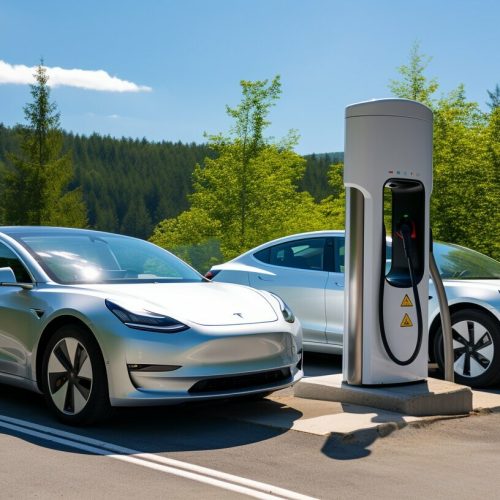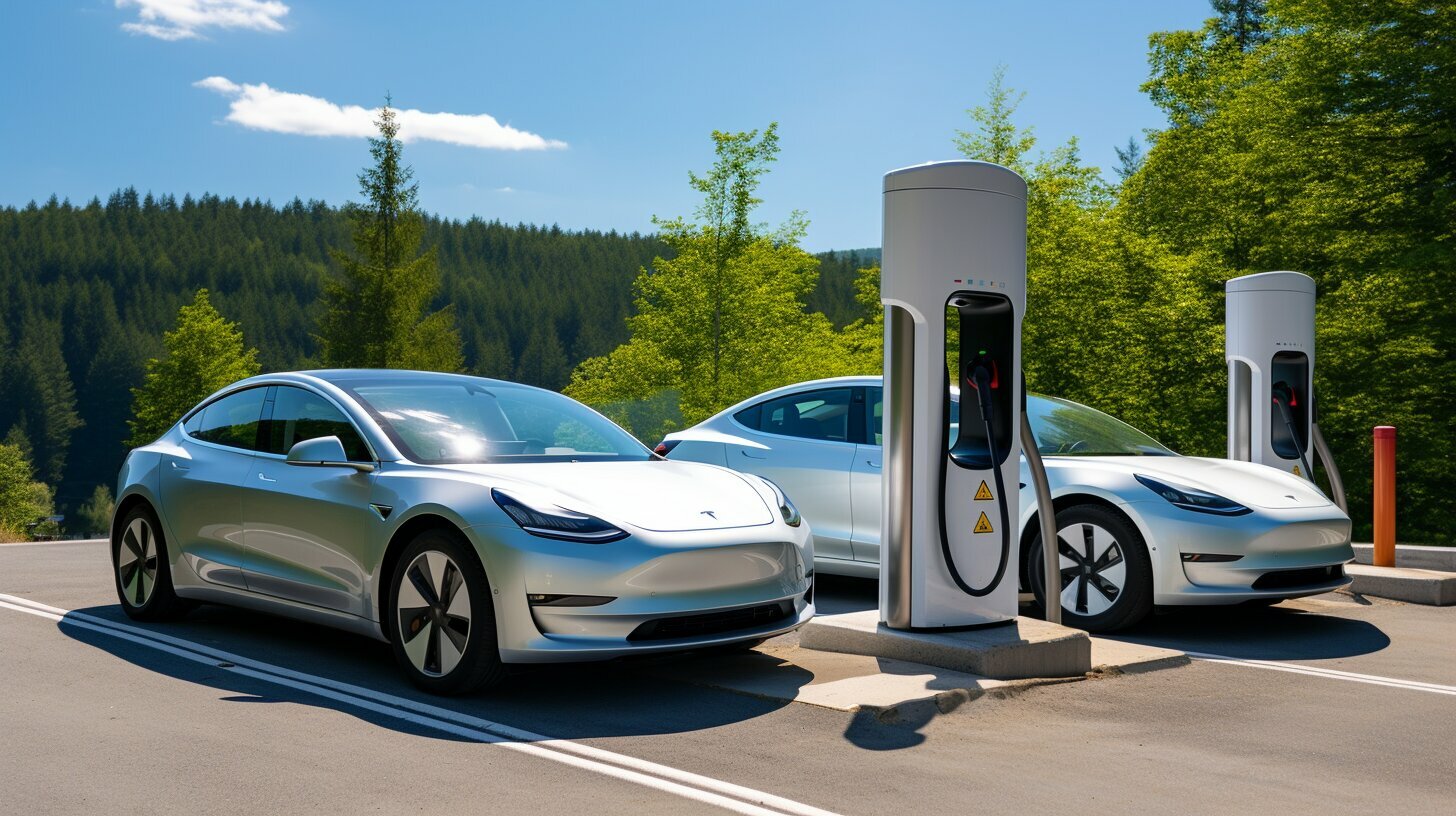

Pennsylvania and other states are grappling with the implications of a recent order from the Trump administration halting a crucial electric vehicle (EV) charging program, impacting federally-funded charging stations. Anticipating $171.5 million over five years from the National Electric Vehicle Infrastructure (NEVI) program, Pennsylvania has managed to establish six chargers thus far and has plans for 91 more with $59 million in secure NEVI funding.

The Department of Transportation’s memo, issued by Secretary Sean Duffy, abruptly ceased funding, stating, “Effective immediately, no new obligations may occur under the NEVI Formula Program.” This directive suspends all state EV plans for the foreseeable future until updated guidance is provided, which is expected by spring.
PennDOT is assessing how this decision will affect current projects. According to spokesperson Zachary Appleby, they will analyze the Federal Highway Administration memo for potential impacts on upcoming phases. Nick Nigro from Atlas Public Policy noted that ongoing construction may halt, and projects nearing the start could see delays, raising costs in the long run.
“This is an unprecedented move to try to claw back funding that has been obligated to states,” said Beth Hammon of the Natural Resources Defense Council. She emphasized that the NEVI program enjoyed strong bipartisan support as part of the 2022 Bipartisan Infrastructure Law.
The NRDC advocates for electrifying vehicles to combat transportation’s contribution to greenhouse gas emissions. Without a reliable charging network, consumers face “range anxiety,” making EV adoption challenging. Hammon stressed, “not having the infrastructure in place is the greatest barrier to realizing that zero-emission transportation future.”
PennDOT’s focus has primarily been on deploying charging stations along highways, adhering to NEVI guidelines, with six stations already in Allegheny County. Facilities built along major routes will eventually open opportunities for NEVI funding to establish chargers in less populated areas, enhancing accessibility.
Corey Harper, an assistant professor at Carnegie Mellon, pointed out that areas with higher EV adoption, like California, boast more charging infrastructure, while Pennsylvania, especially Pittsburgh, struggles with deployment. Less than one percent of vehicles in the state are currently electric, highlighting a critical need for more local charging options.
Harper described the dilemma: If Pennsylvania wants to boost EV adoption, it must install more chargers in residential areas. This is particularly pertinent in urban settings where off-street parking is scarce, resulting in limited charging access.
Federal funding was designed to spur greater EV investments, with some $5.3 billion authorized for utilities to develop charging infrastructure. However, in Pennsylvania, only $6.5 million has been approved by the Public Utilities Commission for utility investments. Overall, while $12 billion has been earmarked by other states for charging, Pennsylvania has only $15 million allocated in state investments, demonstrating a need for more substantial financial commitment to EV infrastructure.
Quotes
Beth Hammon
This is an unprecedented move to try to claw back funding that has been obligated to states.
Hammon
not having the infrastructure in place is the greatest barrier to realizing that zero-emission transportation future.
Nick Nigro
Some construction projects that are ongoing will stop. Other construction projects that were nearly ready to break ground will be delayed.
Corey Harper
If the state wants to encourage more people to drive EVs, it needs more chargers near where people live.